
Winter can be tough not only for drivers but also for their cars. Snow, slush and road salt quickly dirty the car interior, and ordinary mats may not be able to cope with such conditions. That is why it is worth thinking about suitable car mats for winter that will protect the floor against moisture and dirt. See what to pay attention to when choosing them.
Why is choosing the right mats for winter so important?
Protecting the car interior against dirt and moisture
In winter, we bring snow, mud and salt into the car, which quickly melt and dirty the interior. Suitable mats with raised edges trap water and contaminants before they reach the carpet. Thanks to this, it is easier to maintain cleanliness and avoid problems with moisture, which can lead to the development of mould and unpleasant odours.
Maintaining the car's value
A car that is well-maintained inside holds its value significantly better. Interior carpet damaged by moisture and salt can lower the car's value upon resale. Good mats are a simple way to avoid costly upholstery repairs and protect your investment in the car.
Safety - no slipping of the mat under the pedals
A poorly chosen or sliding mat can be really dangerous. If the mat slides under the pedals while driving, it can make braking or accelerating difficult. That is why it is so important that winter mats have an anti-slip underside or are attached with special clips. Good grip means greater safety on the road.

Types of car mats for winter
In winter, we expect car mats to be primarily resistant to moisture, mud and salt. On the market, you will find several types of mats that differ in material and properties. Each type has its strengths and weaknesses.
Rubber mats
Rubber mats are a classic when it comes to protecting a car in winter.
-
Advantages: They are completely waterproof and very easy to keep clean. You just need to take them out and rinse them with a hose. Thanks to the high edge, they trap water and dirt well before they reach the car's carpet.
- Disadvantages: Not everyone likes their look - they are quite stark and do not always go well with an elegant car interior. New rubber mats sometimes also have a characteristic, unpleasant smell, which fades over time, but can be bothersome at the beginning.
Rubber-textile mats (hybrid)
This is a solution for those who want to combine aesthetics with functionality.
-
Advantages: They combine good protection against moisture (thanks to the rubber underside) and a more elegant look, which is provided by the top textile layer. Such mats blend better with the car interior and can be more pleasant to use.
- Disadvantages: They are harder to keep clean than typical rubber mats. Mud and salt can penetrate the fabric, which requires more thorough and frequent cleaning.
EVA mats
Mats made from EVA foam (ethylene-vinyl acetate copolymer) are also gaining increasing popularity.
-
Advantages: They are lightweight, resistant to moisture and very durable. The honeycomb-like structure effectively traps water, mud and sand in special recesses, which prevents them from spilling over the entire surface. EVA mats do not emit unpleasant odours and are available in various colours, thanks to which they can be more easily matched to the car interior.
- Disadvantages: They can be more expensive than standard rubber mats. Not everyone likes their specific texture and look, which is more modern than classic.
What to pay attention to when choosing mats for winter?
When choosing mats for winter, it is worth paying attention to several key things that really make a difference in everyday use. In winter, conditions are particularly difficult - snow, ice, mud and salt can quickly turn the car interior into a real mess. Properly chosen mats will help you prevent this and save you a lot of nerves and work when cleaning the car.
Fit to the car model
Mats should be perfectly fitted to the specific car model. It is not just about aesthetics - a well-fitted mat will not slide, curl or interfere while driving. It will also protect the entire floor surface, including hard-to-reach places where moisture and dirt often collect. When buying mats, it is best to look for those dedicated to a specific make and model of car, rather than universal solutions.
High edges protecting against water spilling
In winter, we bring a lot of snow and mud into the car on our shoes. Mats with high edges (preferably several centimetres) trap water inside, preventing it from spilling over the entire cabin. High edges are an absolute must if you want to avoid soaking the carpet, the formation of unpleasant odours and subsequent problems with moisture.
Anti-slip surface or fixings
Safety in the car starts with things that at first glance may seem like a trifle. Mats must have special fixings or an anti-slip underside that will prevent them from sliding under the driver's feet. A sliding mat can block the accelerator or brake pedals, which in an emergency situation can be very dangerous. Pay attention to whether a given model has factory clips or at least a special structure on the underside.
Resistance to low temperatures
In winter, temperatures can drop well below zero. Not every material withstands such conditions unscathed. Good mats should be resistant to stiffening and cracking in the frost. If a mat becomes hard as a board, it will lose its protective properties, be uncomfortable and easier to damage. Therefore, it is worth choosing products made of flexible materials that retain their properties even in heavy frosts.
Ease of cleaning
In winter, dirt and salt can very quickly destroy the car interior. Mats will need to be cleaned much more often than in summer. The simpler the construction and the smoother the surface, the easier it will be to keep them clean. The best models are those that you just need to take out, rinse with water and dry for a moment. Avoid mats that have many nooks and crannies or places that are difficult to clean.
How to care for mats in winter?
Proper maintenance of mats in winter is the key to keeping the car interior in good condition. Regular cleaning and checking their condition allows you not only to maintain aesthetics but also protects against bigger problems, like the development of mould or permanent damage to the car floor.
Regular cleaning
It is not worth waiting until mud, snow and salt dry on the mats. The sooner you remove the dirt, the easier it will be to clean them. In winter, it is good to take the mats out of the car at least once a week and rinse them with water. If the dirt is greater, you can use a mild detergent, but usually, water alone is enough. Regular washing also prevents the build-up of a layer of salt, which can damage both the mat and the carpet underneath it.
Drying to avoid moisture and mould
After every cleaning, the mats should be thoroughly dried. Putting them in the sun or in a warm, dry room for a few hours is the best solution. Wet mats left in the car are a direct path to the formation of moisture, unpleasant odours and even the development of mould, which is difficult to remove and harmful to health. If the weather does not allow for natural drying outside, it is worth at least drying them well with a paper towel or cloth.
Condition check (whether they are cracked or deformed)
Extreme temperatures, frequent changes in conditions and constant use put a heavy load on mats in winter. Therefore, every now and then it is worth taking a closer look at them. Pay attention to whether they are cracked, whether the edges still hold water well, or whether the mat has hardened or deformed in such a way that it starts to slide. Even small damage can quickly worsen and make the mat stop performing its function. If necessary, it is better to replace them with new ones than to risk damaging the car interior.

Where to buy car mats for winter?
When choosing mats for winter, it is worth paying attention to the quality of workmanship and fit. These are exactly the solutions offered by Evamats Poland – a Polish manufacturer of modern car mats.
At Evamats Poland we sew mats specifically for a specific car model. Thanks to this, we are sure that they perfectly adhere to the floor and effectively protect the car interior against dirt and moisture. We produce mats from EVA foam, a material resistant to water, mud and low temperatures. Our solutions are distinguished by their lightweight construction, durability and ease of cleaning.
We offer:
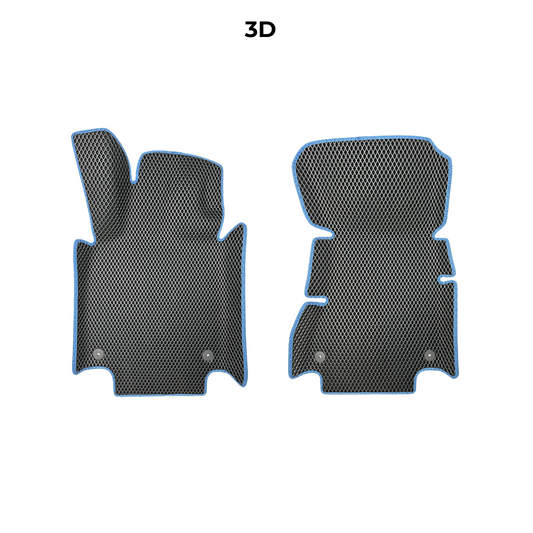
- EVA mats and 3D models with high edges, which effectively trap water and dirt.
- As many as 195 colour variants, enabling the matching of mats to the style of the car interior.
- Boot mats, organisers and individual orders for unusual car models.
All our products are created in Poland, in Gdynia, with attention to every detail. We have a simple online configurator, thanks to which you can choose the right set of mats in a few moments by providing the make, model and year of the car.
Many drivers who have decided on our products praise their durability, aesthetics and high functionality in everyday use.
Summary
Winter is a time when the car interior is particularly exposed to dirt and moisture. Snow, slush and road salt can quickly lead to upholstery damage, unpleasant odours and permanent stains. That is why the right choice of car mats for winter is crucial.
It is worth paying attention to several important features, such as fit to the car model, high edges protecting against water spilling, anti-slip fixings, resistance to low temperatures and ease of cleaning. Well-chosen and properly maintained mats will not only effectively protect the car interior but also increase the comfort and safety of driving.
By taking care of these details, we can enjoy a clean and well-maintained interior throughout the winter, regardless of the conditions outside the window.
FAQ - Frequently asked questions about car mats for winter
Which mats are best for winter: rubber, textile or EVA?
For winter, rubber mats or those made of EVA foam work best. Both types are resistant to moisture, easy to clean and effectively protect the car interior against snow, mud and salt. Textile mats look aesthetic, but they cope worse with large amounts of water.
Do mats have to be fitted to the car model?
Yes, fitting to a specific car model is very important. Thanks to this, the mats protect the floor better, do not slide and do not interfere while driving.
What to pay attention to when choosing winter mats?
It is worth paying attention to high edges, anti-slip fixings, material resistance to low temperatures and ease of cleaning. Good mats should effectively trap water and mud inside.
How often should mats be cleaned in winter?
It is best to clean the mats at least once a week or more often if they are heavily soiled. Regular washing prevents the accumulation of salt and mud, which can damage the material.
Can car mats be dried in the car?
It is not recommended to dry mats inside the car. It is better to take them out and dry them thoroughly in the fresh air or in a warm, dry place to avoid the formation of moisture and mould.
When should mats be replaced with new ones?
It is worth considering replacing the mats when cracks or deformations appear, or when the edges stop effectively trapping water. Damaged mats may stop performing their protective function.

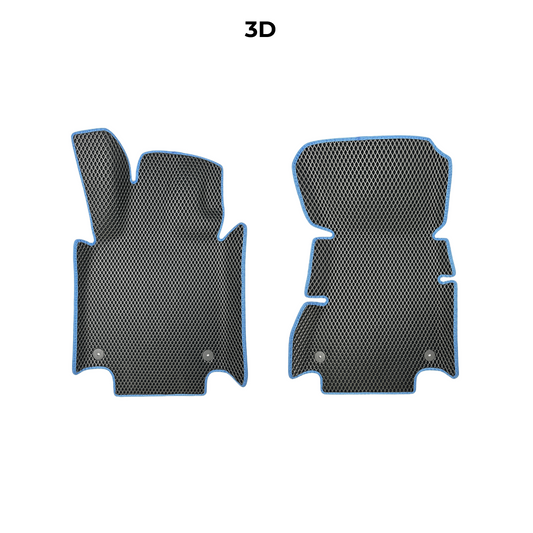


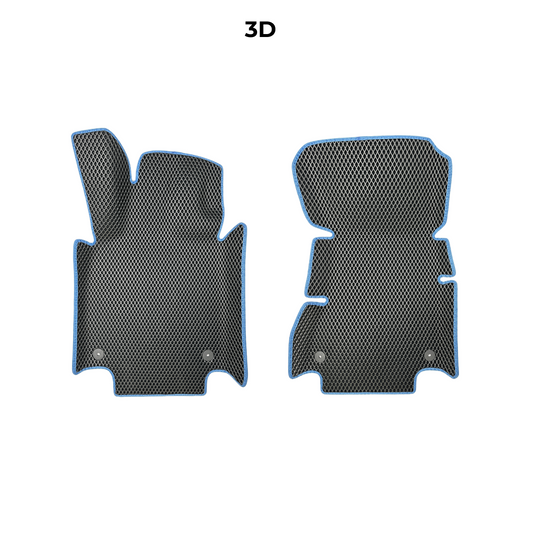


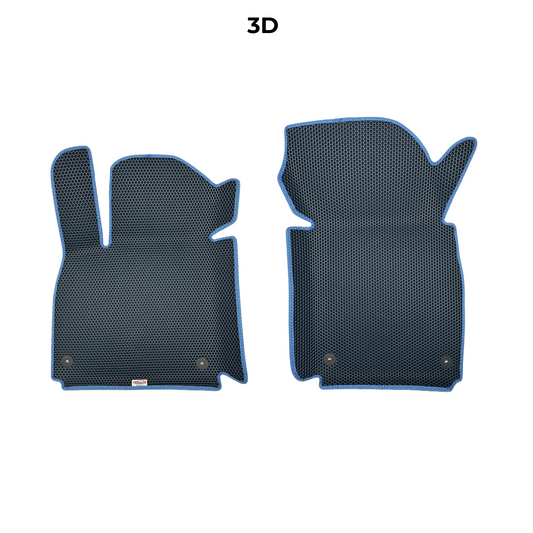

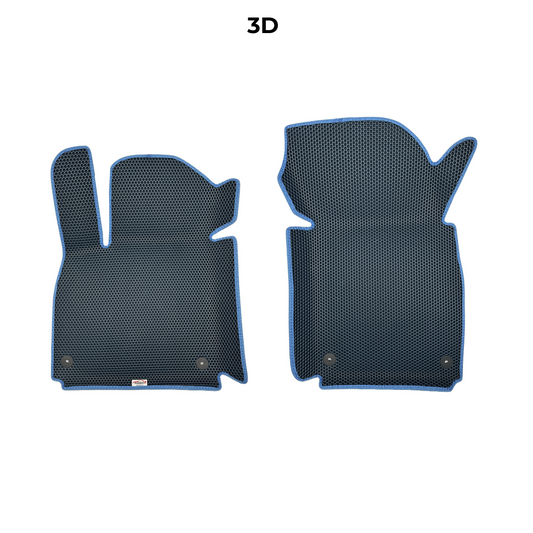

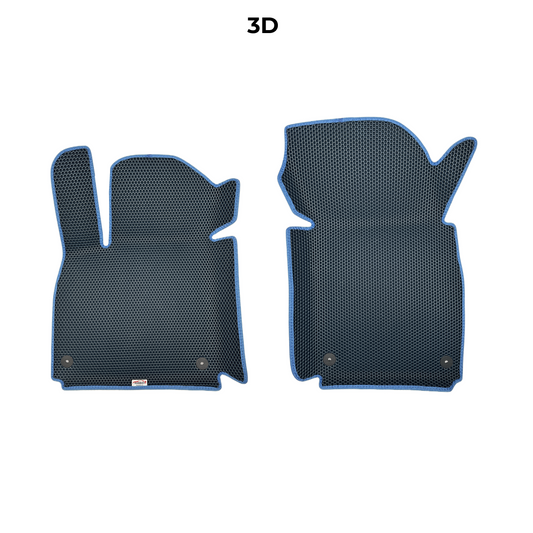

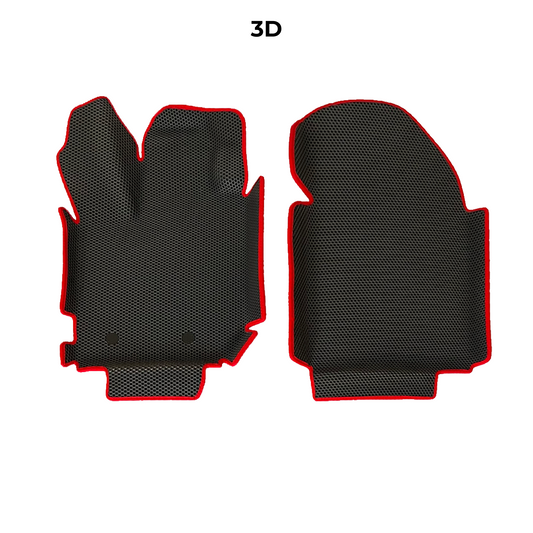








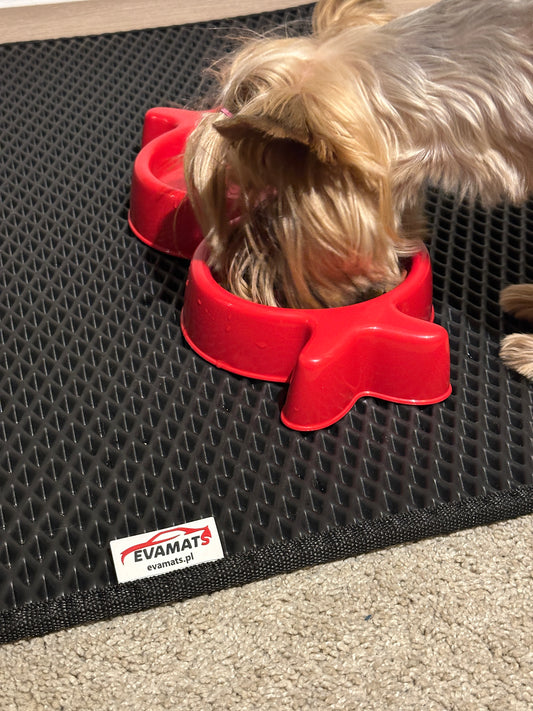
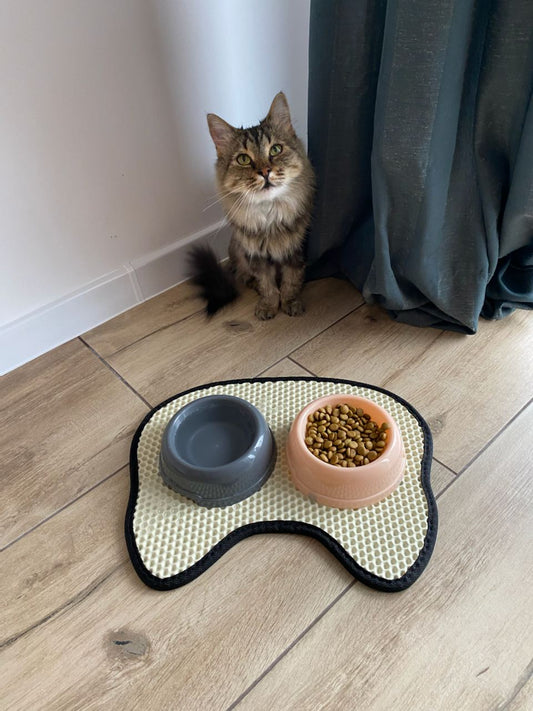
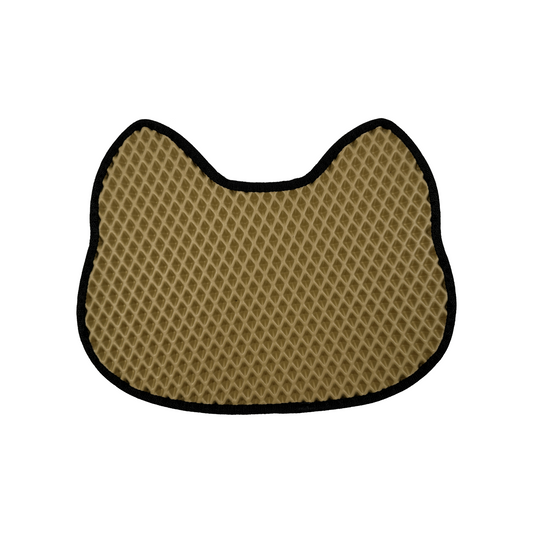
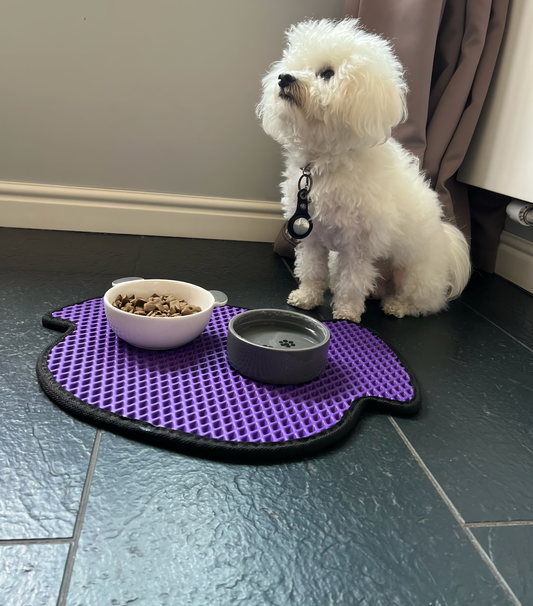
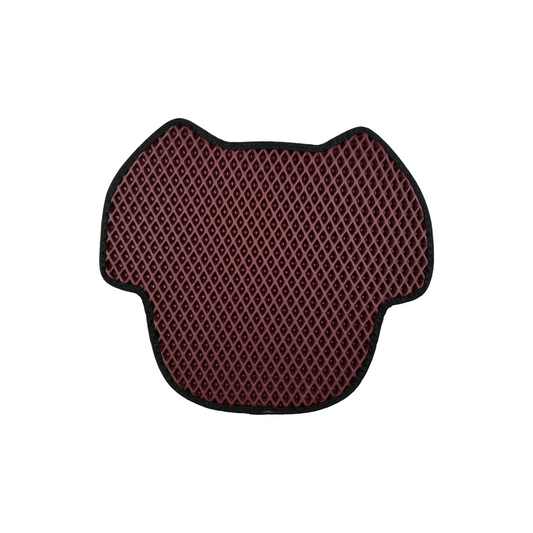
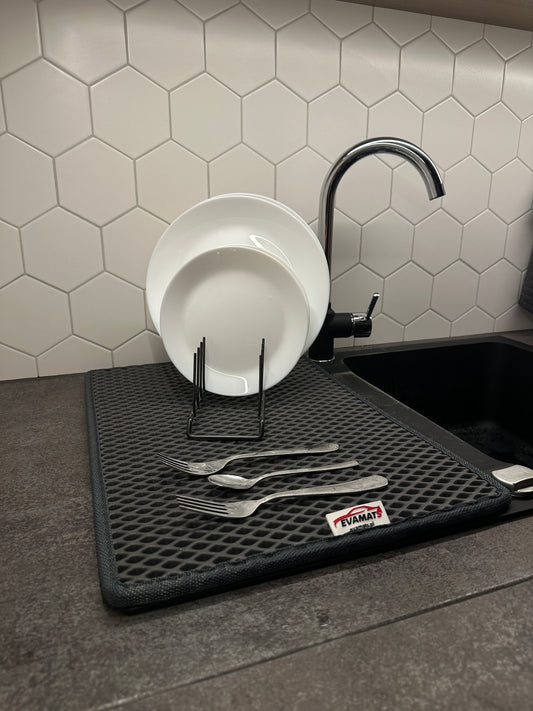
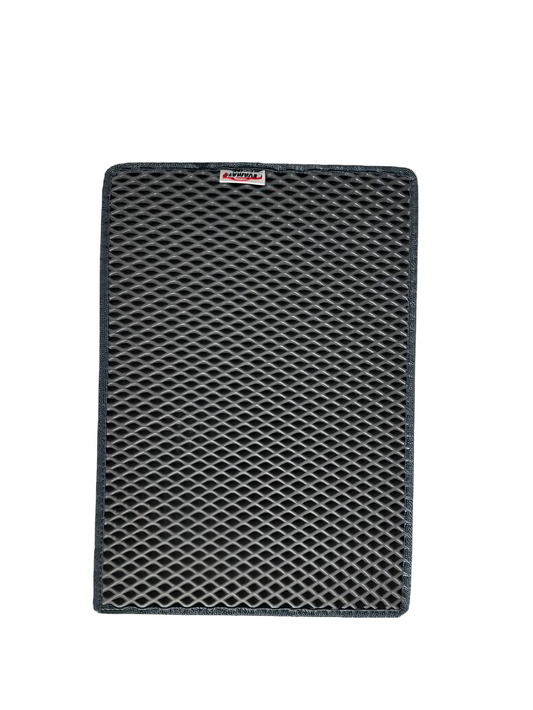

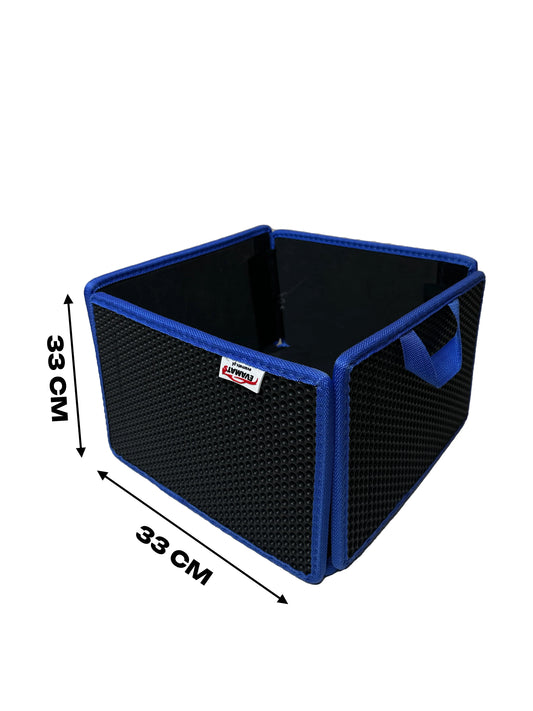



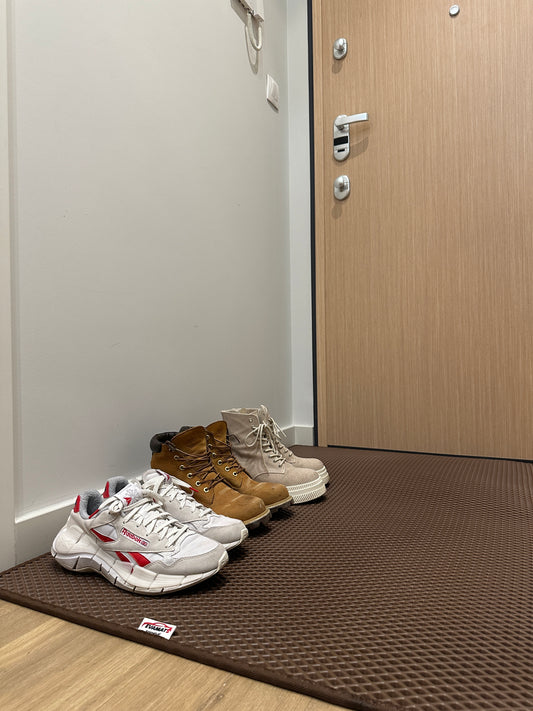
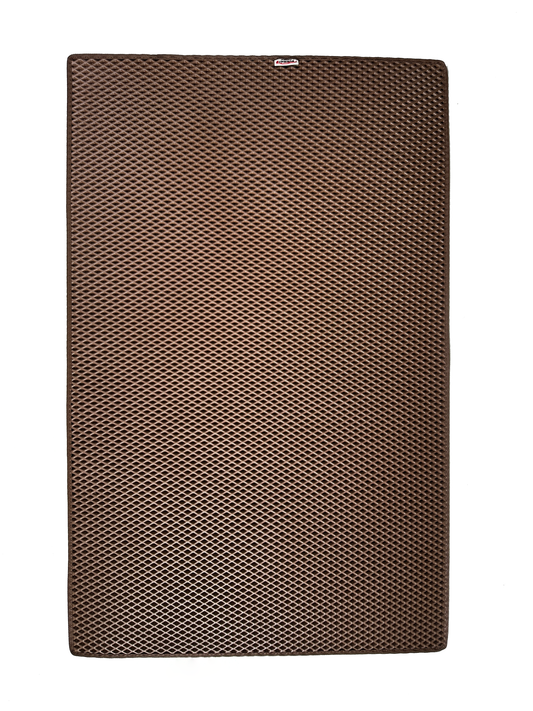
Exact colour reproduction is an art, not an exact science.
We make every effort to show the colours of our materials accurately. However, several technical and environmental factors can affect how a shade appears:
Screen settings.
Every phone, tablet and monitor displays colour differently depending on its technology, brightness, contrast and colour temperature. For example, OLED screens often show colours more vividly than LCD screens.
Lighting and surroundings.
A colour may look different under natural and artificial light, and at different light intensities. A shade can appear lighter in daylight than under indoor lighting.
Material texture.
The EVA material used for our mats has a distinctive texture and relief. This can create optical effects that make the colour look different depending on the viewing angle.
Every mat is made with close attention to detail and quality. If you are unsure which shade to choose, contact us and we will be happy to help.